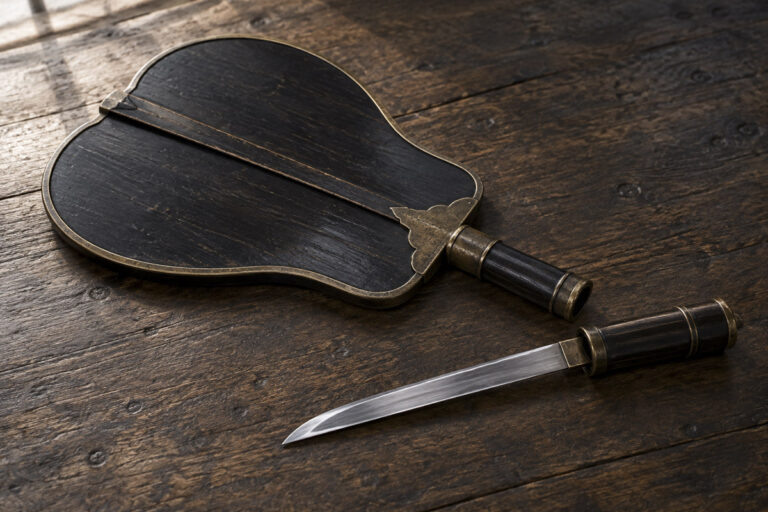
Fans can belong to everyday dress, ceremony, performance, or military culture. A martial-looking fan should therefore be studied in its specific context rather than identified from…
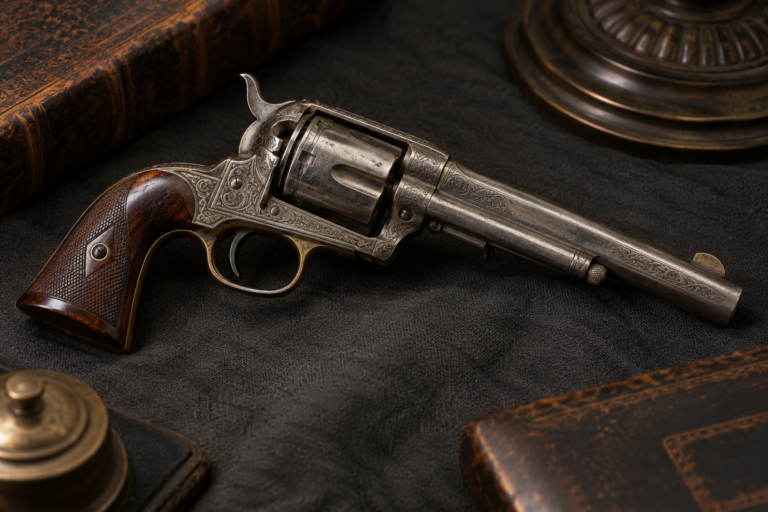
A revolver can be appreciated as a compact example of mechanical heritage. Its recognizable form draws attention to the relationship between industrial design, materials, and the…
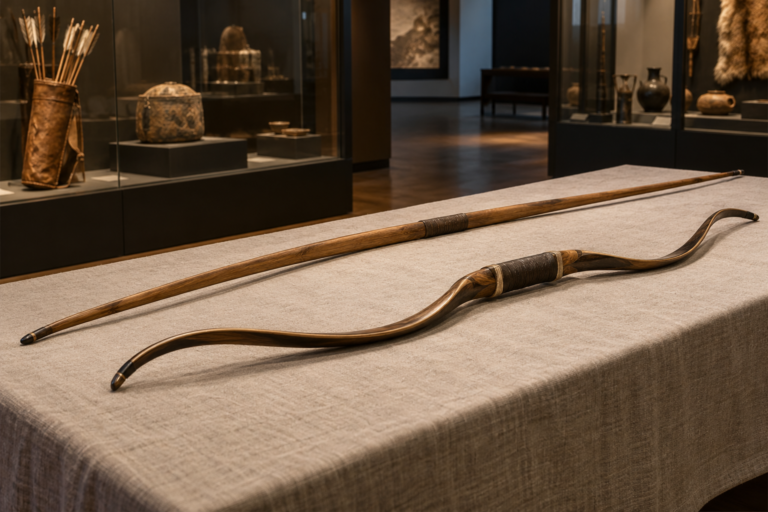
A traditional bow can express a close relationship between material and form. Wooden bows in collections also connect archery to regional craftsmanship, sporting heritage, and historical…
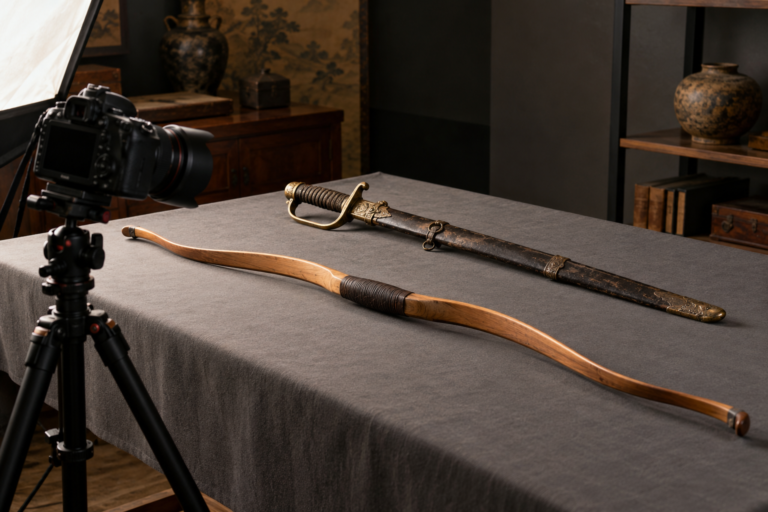
Photographing blades and bows for a collection record requires a different priority from creating a dramatic magazine cover. Documentation should make identity and condition easier to…
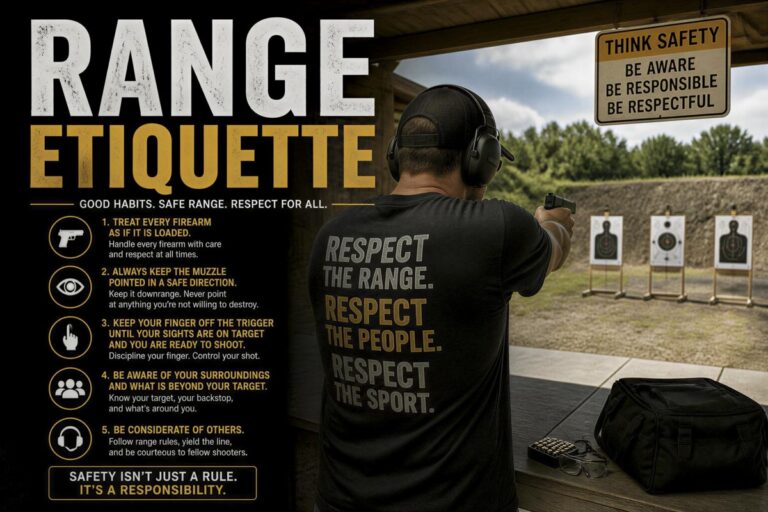
A practical guide to range etiquette: respect, communication, and safety, emphasizing credible information, responsible habits, and safety-minded decisions.
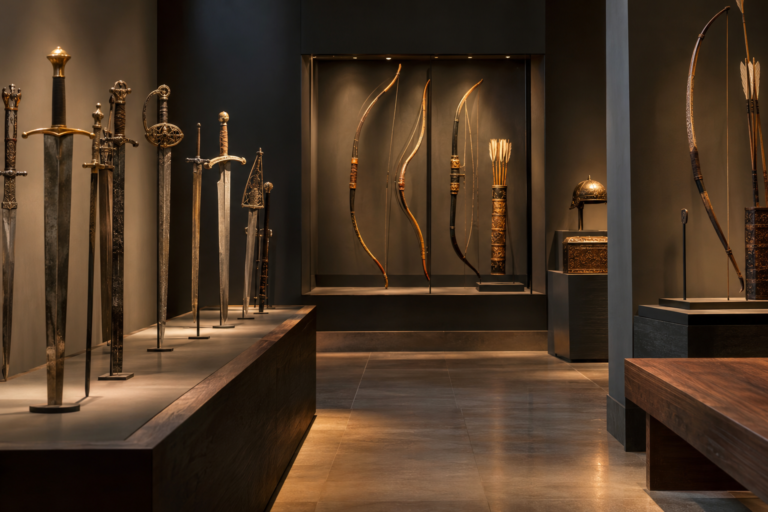
Museum displays can present blades and archery equipment as witnesses to craftsmanship, sport, trade, and historical change. The best interpretation explains relationships rather than arranging objects…
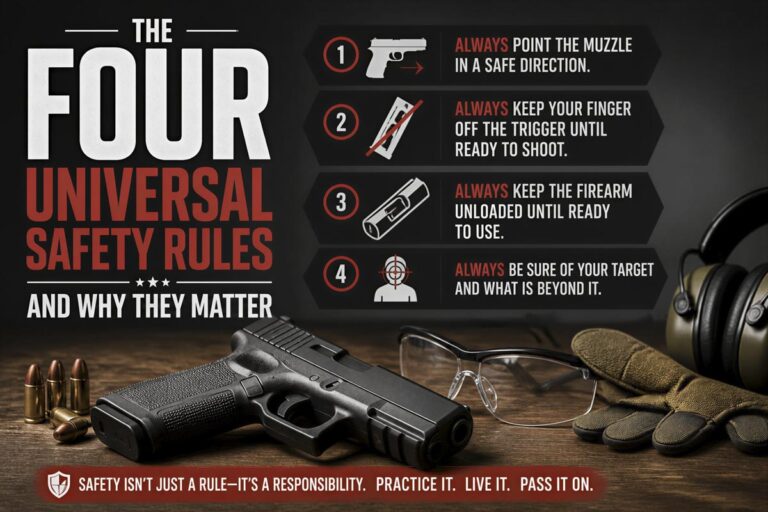
A practical guide to the four universal safety rules and why they matter, emphasizing credible information, responsible habits, and safety-minded decisions.
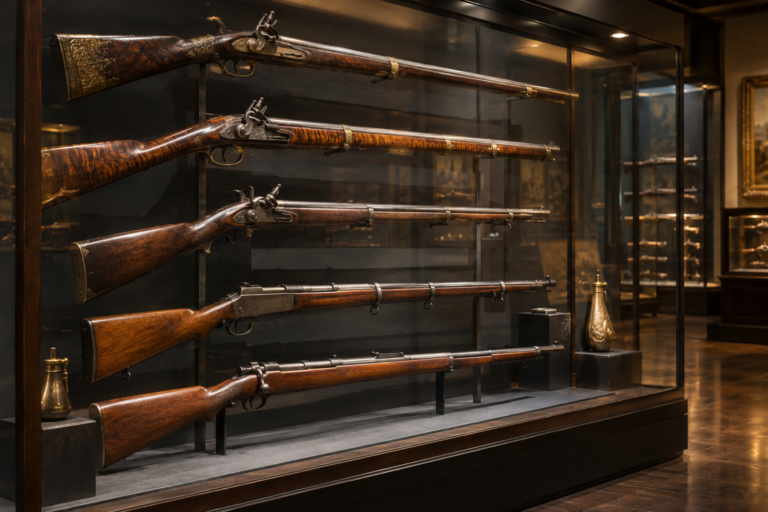
A firearm can be read as a record of the period that produced it. Materials, manufacturing methods, and the expectations of its users all leave visible…
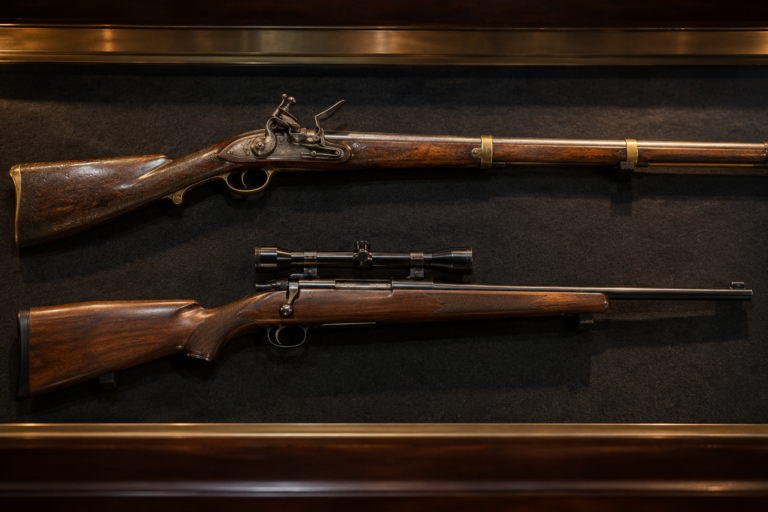
A museum display gives firearms a setting in which they can be studied as historical objects. The strongest displays explain why an object matters instead of…
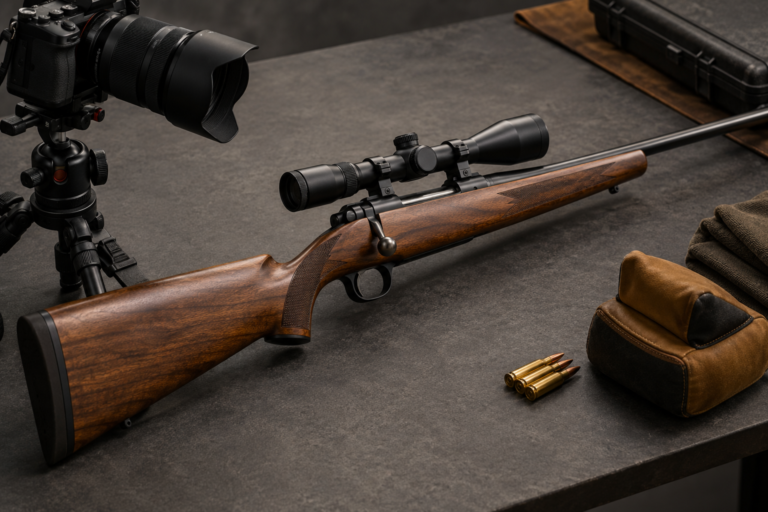
Collection photography creates a visual record that can support identification, condition reporting, research, and insurance documentation. The goal is clarity and consistency rather than a dramatic…