
Building a Thoughtful Firearm Reference Library
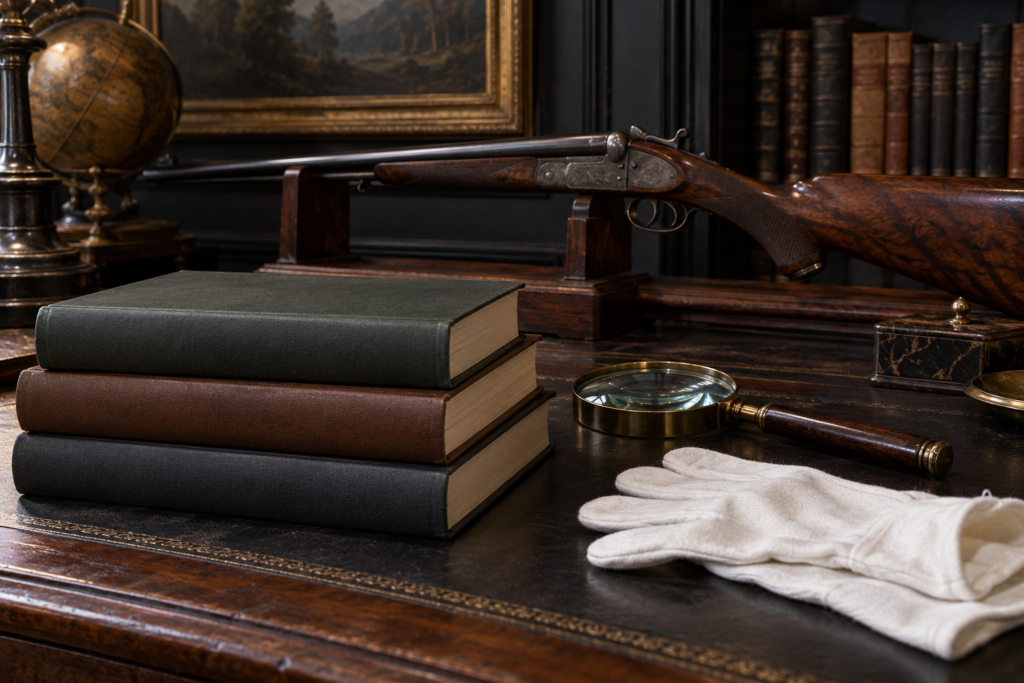
A thoughtful reference library helps a firearm enthusiast move beyond repeated online claims. Reliable books, museum catalogs, and archive resources give a foundation for identification, historical context, and better questions.
Start with scope
A library does not need to cover every weapon ever made. Begin with the subjects that match your collecting or reading interests: a particular period, design family, sporting tradition, or region.
A broad introductory history can provide context, while a specialist work may explain production variations in greater detail. These resources serve different purposes and work best together.
Evaluate the evidence
Look for clear sources, identifiable authorship, useful illustrations, and explanations of uncertainty. A confident tone is not a substitute for documentation. Check whether later research has revised a familiar conclusion.
Different editions may contain meaningful changes. Record the edition and page number when citing a claim so another reader can locate the same evidence.
Build a practical research habit
Keep notes that distinguish direct observations from statements taken from references. When sources disagree, preserve the disagreement rather than choosing whichever account sounds more exciting.
Use museum databases and archives to complement printed works. Stable collection identifiers and complete citations are more useful than a screenshot without its source.
A good library grows with your questions. Its value lies less in the number of volumes than in the ability to verify a model attribution, understand a historical setting, and recognize where further specialist advice is needed.